Why Choose a Petrol Chain Saw for Your Business?

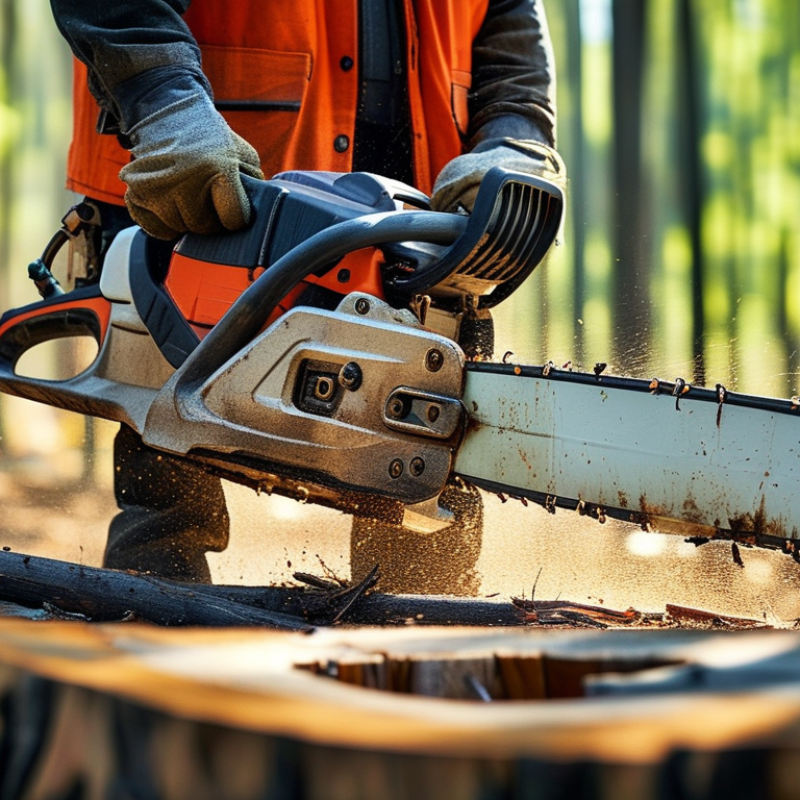
Choosing the right cutting equipment can shape a business’s daily output, operating costs, and safety culture. For forestry contractors, land managers, and professional grounds teams, a Petrol Chain Saw offers strong cutting performance where electricity is unavailable. It can work across remote woodland, uneven sites, and large timber without relying on a nearby power source. That flexibility matters.

A quality petrol model usually combines a powerful engine, a sharp chain, and a durable guide bar. These features help experienced operators process thick branches and fallen trunks efficiently. However, performance depends on correct chain tension, clean air filters, fresh fuel, and regular servicing. Manufacturer instructions should guide every maintenance decision. Trained users must also wear suitable protective equipment, including chainsaw trousers, gloves, eye protection, hearing protection, and safety boots. Safe technique is not optional.

Petrol equipment is not perfect. Noise remains. Fuel is not free. Exhaust emissions, vibration, and routine engine maintenance may increase the long-term workload. These disadvantages deserve honest consideration before purchase. Battery or electric alternatives may suit quieter sites and shorter tasks. Still, a Petrol Chain Saw can be a dependable business tool when mobility, cutting power, and extended field use are essential. A responsible buyer should compare engine size, weight, fuel consumption, spare-parts access, warranty support, and local operating requirements. The cheapest model may become expensive if it causes fatigue or frequent downtime. In practice, the best choice is rarely based on power alone. Reliability, operator training, and planned maintenance often determine whether the saw genuinely earns its place in a professional fleet.
Why Choose a Petrol Chain Saw for Your Business?

Petrol Chain Saw Basics and Core Operating Principles

A petrol chain saw uses a small combustion engine to rotate a toothed chain around a guide bar. The engine drives a clutch, which engages the chain only when the throttle is applied. This design delivers strong cutting power without relying on a nearby electrical outlet. For outdoor businesses, that mobility can save time across large sites.

The cutting chain removes wood through repeated contact between its sharp cutters and the timber. Chain tension matters because a loose chain may derail, while excessive tension increases wear. Bar oil reduces friction and carries heat away from the cutting area. Keep the oil reservoir filled. A dry chain can deteriorate quickly.

Before cutting, experienced operators inspect the chain, guide bar, controls, fuel system, and chain brake. Protective clothing, eye protection, hearing protection, gloves, and sturdy boots remain essential. Start the saw on stable ground, not against your body. Hold it with both hands and maintain a balanced stance. Never force the bar into the wood; allow the chain to work at a controlled pace.

Kickback deserves special attention. It can occur when the upper nose of the guide bar contacts wood unexpectedly. I have seen rushed cutting create poor control, even with a well-maintained saw. That is a useful warning. Training, steady handling, and regular servicing often matter more than engine size. Fuel quality and correct mixture also deserve careful checking, because small mistakes can shorten engine life.

Business Tasks Best Suited to Petrol Chain Saws

Why Choose a Petrol Chain Saw for Your Business?

Business Tasks Best Suited to Petrol Chain Saws

Petrol chain saws suit demanding outdoor work where power, range, and quick refuelling matter. They are useful for storm cleanup, commercial tree removal, firewood processing, and cutting large timber. On remote sites, workers can carry fuel instead of waiting for charging points. That mobility saves time.

Forestry work remains substantial worldwide. The FAO’s Global Forest Resources Assessment 2020 reports that forests cover 4.06 billion hectares, or about 31% of global land area. This scale creates practical demand for equipment that can operate away from fixed infrastructure. A petrol saw can handle thick trunks, wet wood, and repeated cuts more consistently than many smaller battery models. It also supports crews working through long shifts. Still, this advantage depends on disciplined maintenance.

A busy site exposes weaknesses quickly. Poorly sharpened chains increase effort and vibration. The U.S. Consumer Product Safety Commission has reported roughly 36,000 chain-saw-related emergency department injuries annually in earlier national estimates. That figure should not be treated casually. Operators need training, protective equipment, pre-use inspections, and clear cutting zones. Noise and exhaust also make indoor or densely occupied areas unsuitable. Petrol power is capable, but not automatically preferable. Sometimes, a lighter electric saw is the wiser business tool.

Power, Mobility, and Productivity Advantages

Why Choose a Petrol Chain Saw for Your Business?

Power matters when cutting dense hardwood, storm-damaged trunks, or timber far from electrical access. Petrol chain saws provide strong torque without cables or battery charging points. The U.S. Energy Information Administration reports that gasoline contains about 120,000 Btu per gallon. That high energy density supports compact fuel storage for mobile crews. A small fuel can can cover remote work. This matters on steep sites, rural roads, and long timber rows. FAO’s Global Forest Resources Assessment 2020 records 4.06 billion hectares of forest worldwide. Much of that terrain is difficult to reach. Mobility becomes a productivity factor, not a luxury.

Field crews also value fast refueling. A filled tank takes minutes, while charging may depend on transport and electricity access. Petrol equipment can maintain cutting momentum across a demanding shift. However, the advantage is not automatic. Cold starts, air-filter dust, chain sharpness, and fuel quality affect output. I have seen poor maintenance erase the expected speed advantage. Operators should track cuts per tank, downtime, and servicing hours. Those simple records reveal real productivity. OSHA’s logging requirements emphasize training, protective equipment, and safe operating procedures. Power must never replace discipline. Petrol engines also create exhaust and noise, so ventilation, hearing protection, and responsible site planning remain necessary. More power is useful, but controlled power works better.

Why Choose a Petrol Chain Saw for Your Business? - Power, Mobility, and Productivity Advantages

Business Performance Dimension Petrol Chain Saw Typical Battery Chain Saw Practical Business Advantage
Rated power output Approximately 1.5–3.5 kW for professional-use models Approximately 1.0–3.0 kW, depending on battery and motor design Strong sustained cutting performance for large limbs, trunks, and storm-damaged timber
Suitable guide-bar length Typically 35–50 cm; longer bars are available for specialized work Typically 30–40 cm for general commercial and property-maintenance work Provides broader coverage for varied tree sizes and reduces the need for multiple tools
Continuous operating time Several hours with fuel replenishment and routine chain maintenance Often about 20–45 minutes of active cutting per battery, depending on load and battery capacity Better suited to extended shifts and remote jobs where charging access is limited
Refuelling or energy replenishment Fuel and chain oil can generally be replenished in approximately 2–5 minutes Charging commonly takes about 30–120 minutes, depending on the charger and battery Shorter interruptions can help crews maintain workflow and meet daily production targets
Mobility in remote locations Operates without mains electricity or a portable charging station Requires charged batteries and, for longer work, additional battery packs Useful for forestry, roadside clearance, construction sites, farms, and emergency response
Typical operating weight Approximately 4.5–7.5 kg before fuel and cutting attachments Approximately 3.5–6.5 kg including the battery, depending on configuration Petrol models may weigh more, but their longer uninterrupted operating capability can improve job-site productivity
Noise level at the operator position Commonly about 100–115 dB(A), depending on engine speed and load Commonly about 85–105 dB(A), depending on operating load and measurement method Petrol saws deliver high cutting power but require hearing protection and appropriate workplace controls
Cold-start preparation Usually requires fuel checks, choke operation, and several starting pulls when cold Starts immediately when the battery is charged and installed Battery models are quicker to start, while petrol models offer greater refuelling flexibility during long shifts
Heavy-duty cutting suitability Well suited to repeated cuts in hardwood, thick branches, and large-diameter timber Well suited to pruning, light felling, trimming, and moderate-duty maintenance Supports demanding commercial workloads with fewer power-related pauses
Fuel and energy logistics Requires petrol, two-stroke oil or premixed fuel, and bar-and-chain lubricant Requires compatible batteries, chargers, and bar-and-chain lubricant Petrol equipment can be deployed across dispersed sites without transporting or charging multiple high-capacity batteries

Data note: Figures are representative ranges for professional-use chain saws and vary by engine displacement, battery capacity, guide-bar length, wood species, cutting conditions, and measurement standard. Always follow the manufacturer’s specifications and applicable occupational-safety requirements.

Fuel, Maintenance, and Operating Cost Considerations

A petrol chain saw can suit businesses that work far from outlets, in wet forests, or across large sites. Its main advantage is uninterrupted mobility. Yet fuel and maintenance determine whether that advantage pays. The U.S. Energy Information Administration reported an average regular gasoline price of $3.52 per gallon in 2023. A busy crew can feel that price quickly. Fuel use also varies with wood diameter, chain sharpness, and throttle habits. Published engine tests often show different results.

Petrol models need fresh fuel, approved two-stroke oil, air-filter cleaning, spark-plug checks, and regular chain sharpening. These tasks consume labor, not only parts. A dull chain increases cutting time and engine load. It also raises fuel use. The U.S. Forest Service stresses chain condition, lubrication, and operator maintenance in its chainsaw safety guidance. That guidance is practical, but small businesses sometimes underestimate downtime. One missed filter inspection can become a lost morning. The cost calculation is never perfect.

Tips: Track fuel, oil, chains, filters, and repair hours for four weeks. Record idle time separately. Compare cost per cutting hour, not cost per tank. Keep fuel containers sealed and clearly labeled. Use the manufacturer’s specified fuel mixture and storage limits. Schedule sharpening before the chain produces fine dust instead of clean chips. For occasional work, petrol may remain economical. For daily crews, maintenance time can quietly outweigh fuel savings. Check the numbers again each season.

Safety, Environmental Factors, and Purchase Criteria

Petrol chain saws remain practical for businesses working in remote forests, storm cleanup, and heavy timber. They offer strong torque and quick refueling when charging stations are unavailable. However, power does not remove risk. OSHA cites roughly 36,000 chainsaw injuries annually in the United States. CPSC’s NEISS data also records tens of thousands of emergency-department cases each year. A chain brake, throttle lock, hand guard, and low-kickback chain are essential. Operators also need documented training, eye protection, hearing protection, and cut-resistant clothing.

Environmental performance deserves equal attention. EPA nonroad-engine standards have reduced exhaust pollutants from newer petrol equipment, but emissions remain. Fuel vapors, oil spills, noise, and poor maintenance increase the impact. Choose a current engine that meets the sales requirements of your market. Compare fuel consumption, exhaust controls, vibration levels, and noise ratings. Weight matters too. A powerful saw can become a tiring and unsafe tool after several hours. This is easy to underestimate. Service access, spare parts, warranty terms, and operator support should influence the purchase more than headline horsepower.

Tips: Inspect the chain brake before every shift. Keep fuel in approved containers, away from heat. Record vibration and maintenance checks. Test the saw on typical timber before buying several units. No checklist is perfect, and real working conditions may expose weaknesses that showroom tests miss.

Why Choose a Petrol Chain Saw for Your Business?

Petrol chain saws can provide high cutting power and mobility in remote or heavy-duty work areas, but noise exposure is a key safety consideration. The chart compares common occupational exposure benchmarks with the typical operating range of petrol chain saws. NIOSH recommends limiting occupational noise exposure to 85 dB(A) over 8 hours, while OSHA's permissible exposure limit is 90 dB(A) over 8 hours. Petrol chain saws commonly operate at approximately 100–115 dB(A), depending on the model, load, distance, and working conditions.

Before purchasing, evaluate chain-brake performance, anti-vibration design, operator training requirements, fuel consumption, maintenance access, and local emissions rules. Burning one litre of petrol produces approximately 2.31 kg of direct CO2 emissions, so fuel efficiency and responsible operating practices should also be included in the business decision.

Reference basis: NIOSH occupational noise exposure guidance, OSHA noise standards, and commonly published operating-noise ranges for petrol chain saws. Actual sound levels vary by equipment and operating conditions.

  • facebook
  • linkedin
  • twitter
  • youtube